
Specifying insulation laminate for a high-speed rail traction motor usually starts with a designation on paper, something like EPGC205 (NEMA G11) rather than the more common EPGC201 (NEMA G10 or FR4 family). The two look similar on a datasheet, woven glass cloth bonded with epoxy resin, but the thermal classification is where they diverge.
G10 and EPGC201 laminates are typically rated around Thermal Class B, holding their mechanical and dielectric properties up to roughly 120 to 140°C continuous. Traction motors on high-speed rolling stock often sit close to that ceiling for long stretches because of continuous high current density, tightly enclosed housings, and duty cycles that leave little cooling window between runs. G11 and EPGC205 grades are formulated to retain flexural strength and dielectric breakdown resistance at higher sustained temperatures, which is presumably why the spec calls for G11R rather than standard G10.
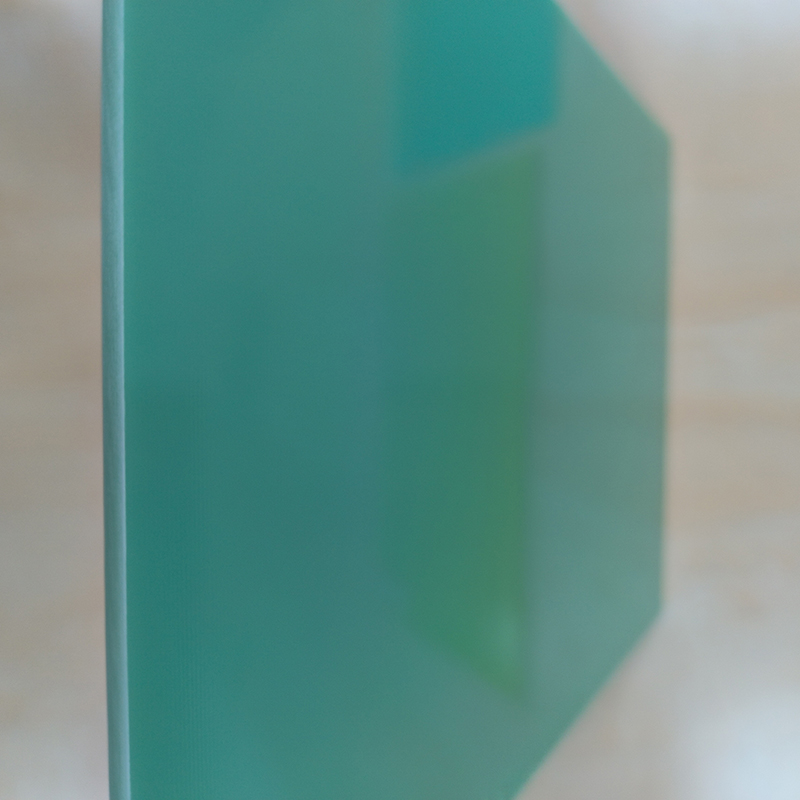
The practical complication is sourcing. Most fabricators that cut and machine epoxy glass sheet for switchgear, motor slot wedges, or general electrical insulation keep G10, FR4, and EPGC201 in regular stock because that covers the bulk of industrial demand. The higher thermal-class G11 variants are a narrower product line, and lead time or minimum order quantities can look very different from what a general supplier quotes for G10.
Before paying the premium for G11R, it would help to know how much real thermal margin the motor's slot insulation needs versus what the design spec assumes as a built-in safety factor. For anyone who has specified or sourced G11 or EPGC205 laminate for traction or other continuous-duty motor applications, what temperature margin or moisture exposure actually justified moving up from G10 rather than staying with the lower grade?
https://www.xyhplastic.com
Shenzhen XiongYiHua Plastic Insulation LTD