
A high torque servo motor driver is the component that decides whether a robotic axis moves smoothly, holds position under load, and survives years of duty cycles. In industrial robotics — from CNC machining and warehouse AGV/AMR platforms to robotic joint control and 3C electronics assembly — motion quality is rarely limited by the mechanics alone. It is limited by how precisely the driver closes the loop, how much torque it can command per unit of volume, and how much engineering time the integrator must spend tuning it. This guide explains what high torque servo motor drivers do in robotics, what selection criteria matter, and how Shenzhen Xinlichuan Electric Co., Ltd., operating under the brand LICHUAN, addresses those requirements with servo, stepper, integrated motor, and low-voltage DC motion products.
What a High Torque Servo Motor Driver Actually Does
A servo motor driver converts a low-power command signal into controlled current delivered to a motor, and uses position feedback to correct error in real time. Three terms recur in robotics specifications:
Closed-loop control — the driver continuously compares commanded position with measured position using an encoder, and adjusts output to eliminate deviation. Open-loop stepper systems, by contrast, receive commands with no confirmation that the motion occurred, which is where step loss originates.
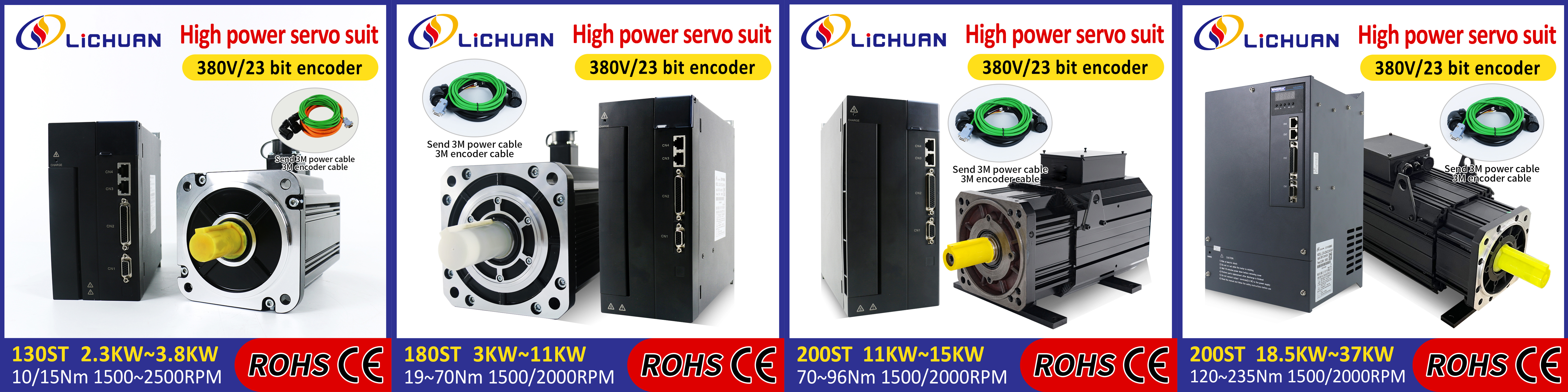
Encoder resolution — the granularity of position feedback. Higher resolution means finer position and speed control. LICHUAN's A5 and A8 AC servo series support 23-bit encoders, and the closed-loop stepper line uses 1000PPR encoders.
Processing platform — the arithmetic engine executing the control loop. LICHUAN closed-loop stepper systems use 32-bit DSP processing.
Safe Torque Off (STO) removes drive torque without cutting main power, and ABZ describes incremental encoder output. Both are supported in the LICHUAN AC servo offering.
Selection Criteria for Robotics Integrators
Robotic applications impose constraints that general-purpose automation does not. Buyers evaluating a high torque servo motor driver typically work through the following criteria.
Power and torque range. A single machine may need a small joint actuator and a heavy-duty spindle drive. LICHUAN's product range spans NEMA 11 steppers to 37KW high-voltage AC servos, with AC servo power from 50W to 37KW and DC servo power from 100W to 1500W.
Supply voltage flexibility. Robotics power architectures vary by region and platform. The AC servo line supports 220V and 380V input, while DC servo systems operate from 24V to 48V — a range suited to battery-powered AGV/AMR platforms.
Environmental protection. Dust, coolant, and washdown conditions shorten the life of unprotected electronics. LICHUAN offers IP65 and IP66 protection ratings for harsh environments.
Commissioning effort. Gain tuning slows integration and requires specialized personnel. LICHUAN closed-loop systems are designed for plug-and-play operation for various mechanical loads without gain parameter adjustment.
Energy consumption. Continuous holding current is a hidden operating cost in robotics, where axes often stall under load. LICHUAN reports up to 40% energy reduction through smart current control.
The Problem With Separate Motors and Drivers
A recurring insight behind LICHUAN's product architecture is that separating motor and driver introduces cost beyond the components themselves. Separate units add wiring, space, and electromagnetic interference. The company's Integrated Motors combine motor and driver into a single unit, which removes separate driver connections and supports Pulse, RS485, and CANopen control modes for multi-protocol integration.
A Product Matrix Built Around Motion Problems
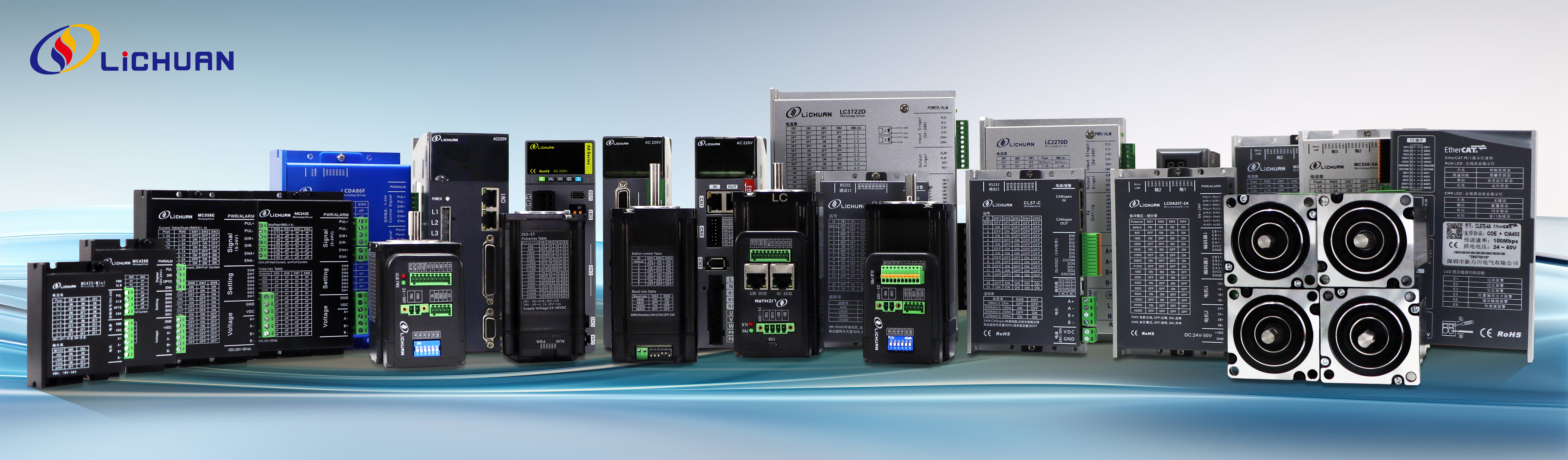
LICHUAN organizes its offering into five product and service categories, each mapped to a distinct motion problem.
AC Servo Systems — the A5 series is positioned as a high-performance AC servo line, while the A8 series targets high-speed, high-accuracy requirements in 3C electronics manufacturing. Supporting features include STO, ABZ, and 23-bit encoders.
Closed-Loop Stepper Systems — motor and driver combinations that retain stepper economics while adding real-time position feedback. Frame sizes cover NEMA 17, 23, 24, 34, 42, and 51, with the LCDA series of drivers, including the LCDA808H. The design objective is zero step loss and elimination of the overheating, position error, and low-speed vibration associated with open-loop steppers.
Integrated Motors — all-in-one servo and stepper variants with built-in drivers.
DC Servo Systems — 24V–48V drivers and motors from 100W to 1500W for mobile and low-voltage equipment.
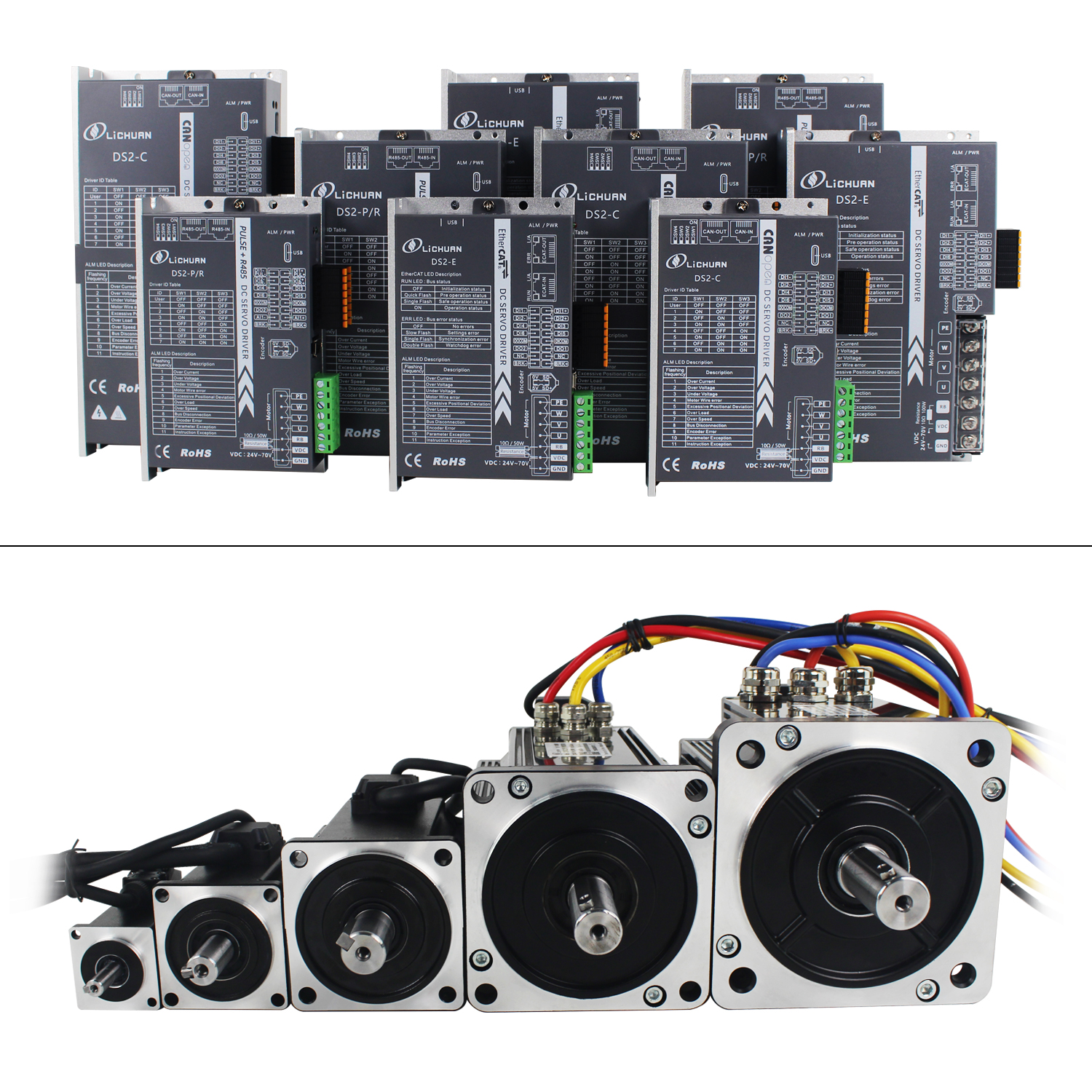
Control & Mechanical — PLCs with 16–60 points, HMIs for operator control and monitoring, and planetary reducers for robotic joint and mechanical transmission applications.
Manufacturing, Testing, and Quality Assurance
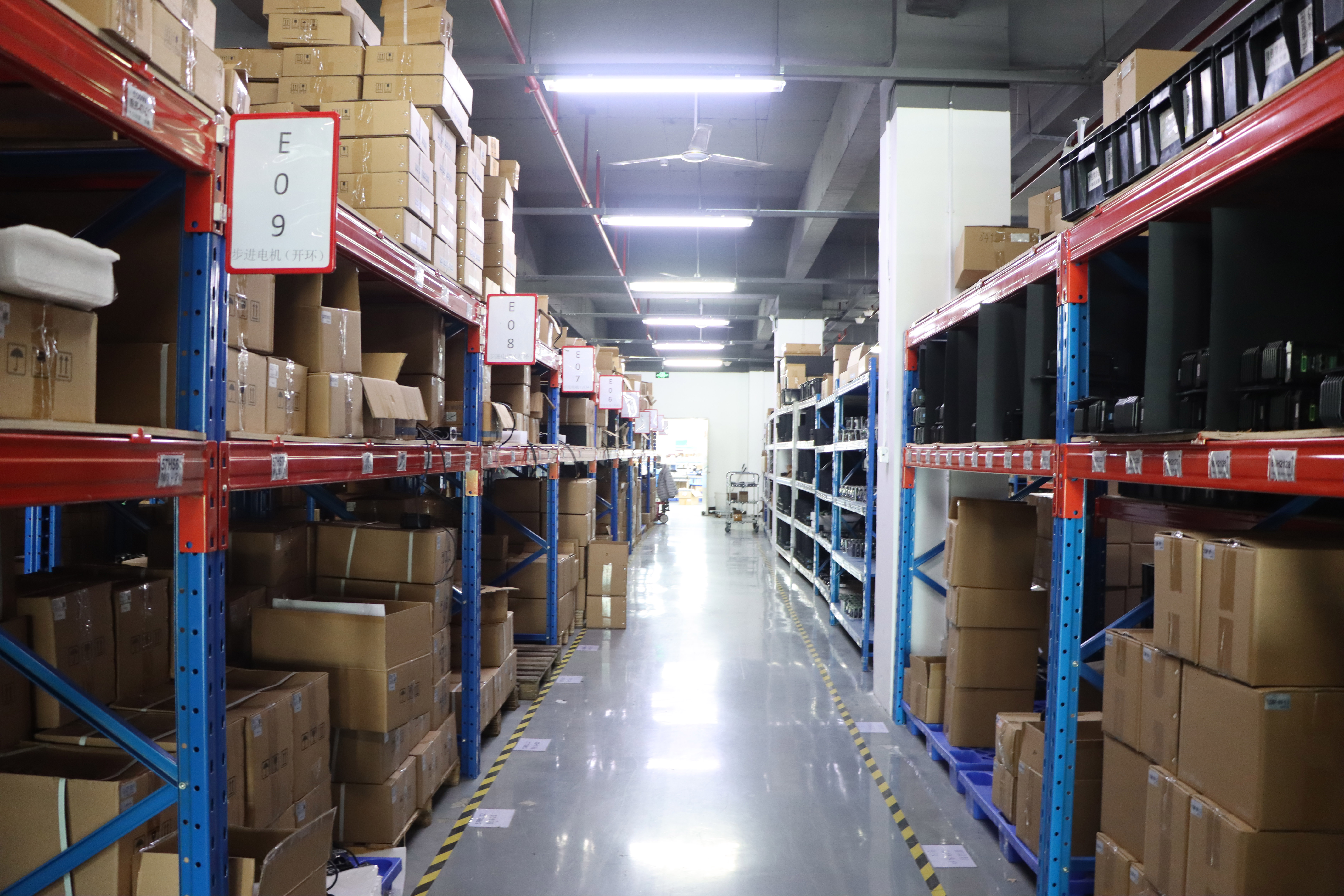
Product claims depend on production discipline. LICHUAN operates a 4,410-square-meter self-owned factory with 9 production lines and over 30 specialized machines. Every unit is subject to 24-hour high/low temperature aging tests. The company holds ISO9001:2008 quality management system certification, along with CE and RoHS certification, supporting exports to North America, South America, Europe, Russia, East Asia, Southeast Asia, the Middle East, and Africa.
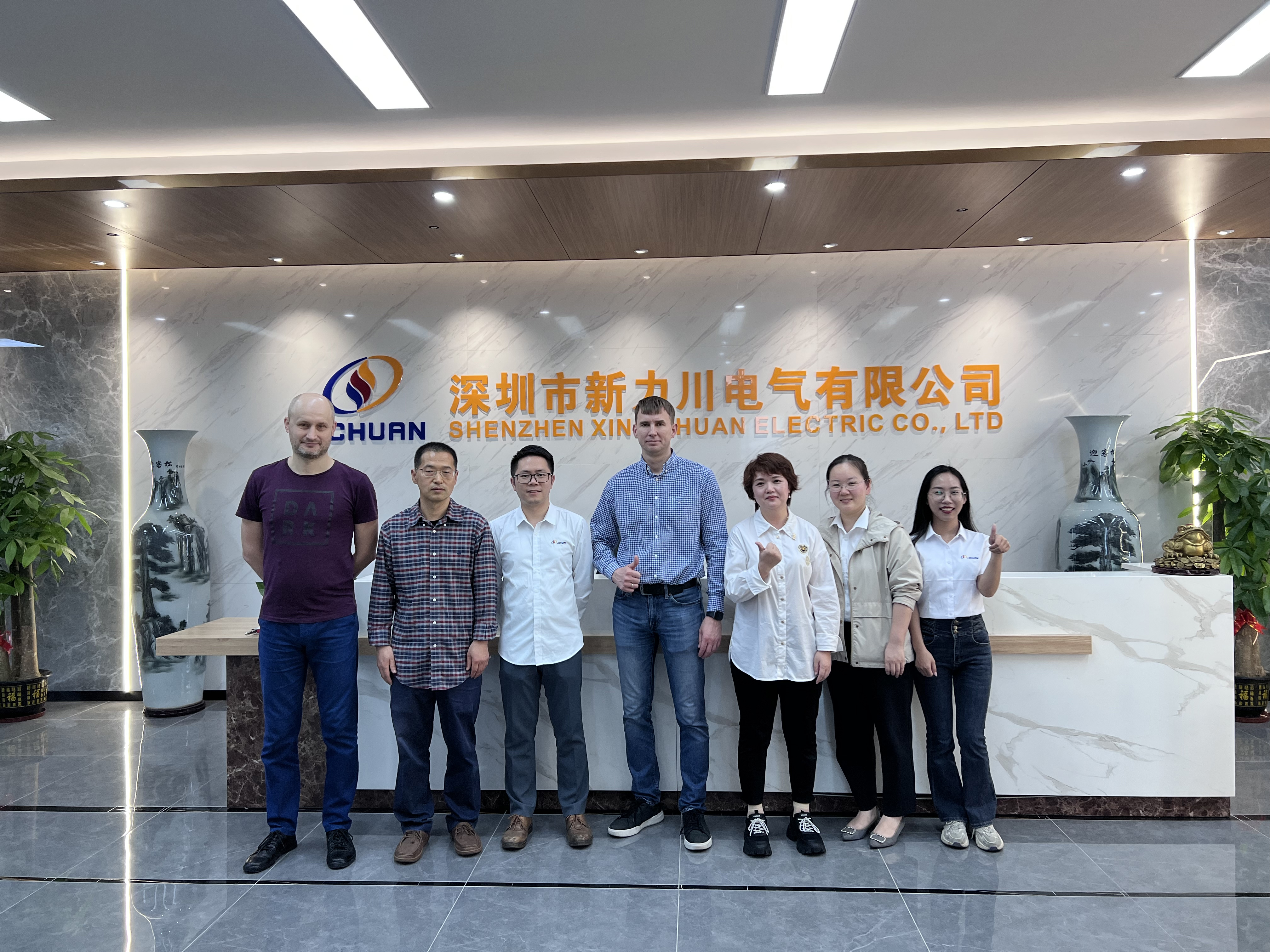
Founded in 2009 and headquartered in Shenzhen, China, LICHUAN employs over 160 people, including dedicated procurement and finance professionals, and has filed 23 patent applications with 20 granted patents and 11 software copyrights as of late 2016.
Application Evidence Across Robotics Segments
Documented customer scenarios illustrate how these products are deployed.
In CNC milling and engraving, machine builders and DIY users performing metal and wood cutting required accurate positioning and reliable torque; the solution deployed was NEMA 34 closed-loop kits.
In logistics robotics, AGV/AMR platform developers in warehouse automation needed compact, low-voltage motion control; the solution deployed was 48V DC integrated servos.
In electronics assembly, a 3C electronics manufacturer required high-speed, high-accuracy motion; the solution deployed was the A8 servo series.
In textile and industrial sewing, specialized motor control was required for sewing equipment; the solution deployed was integrated stepper and servo motors.
These segments — together with 3D printing, robotic joint control, and medical diagnostic equipment — form the industry coverage for which LICHUAN's motion products are positioned.
How to Approach a Driver Selection Decision
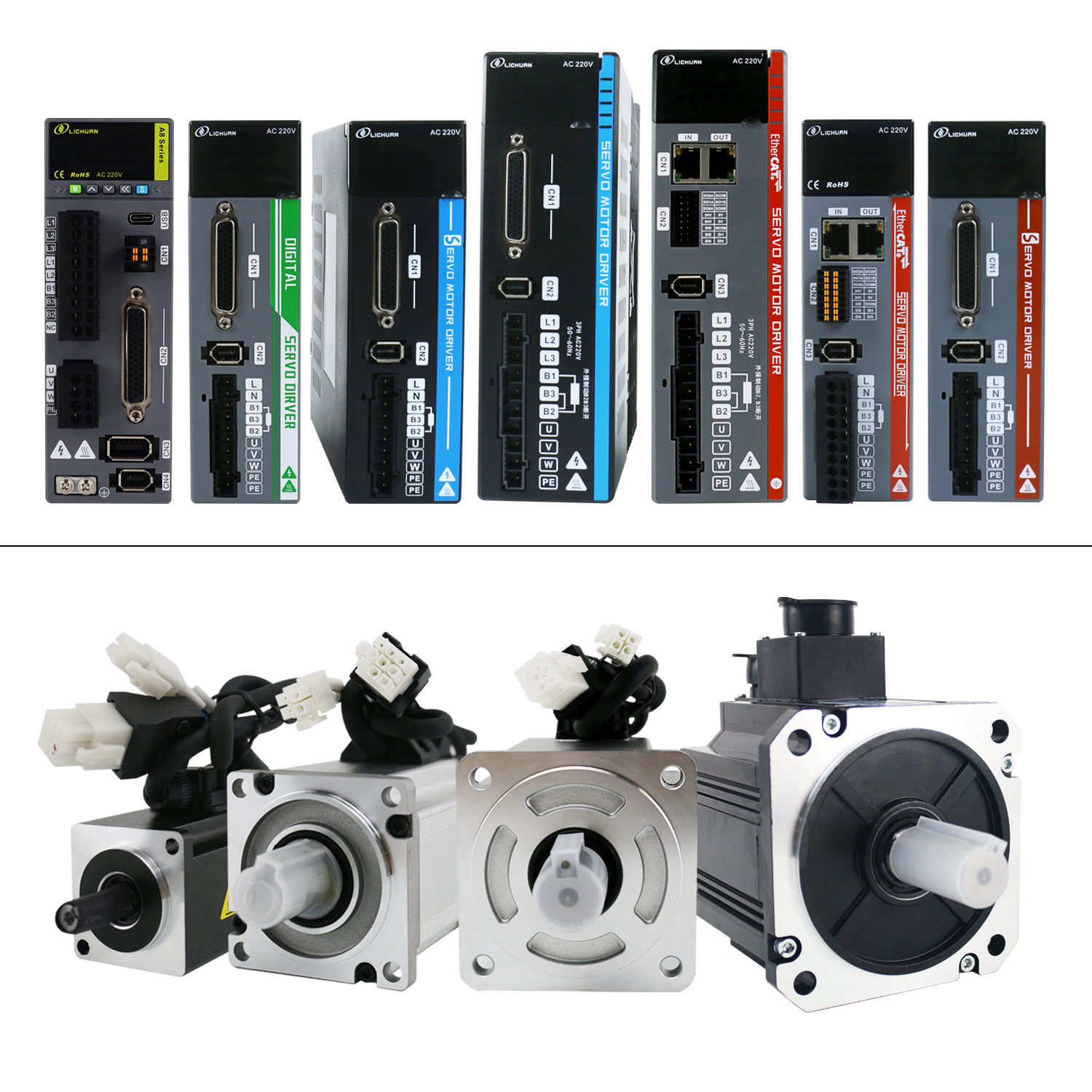
For engineers specifying a high torque servo motor driver for industrial robotics, the practical sequence is to define the load and speed profile first, then match power range, voltage architecture, feedback resolution, and protection rating, and finally evaluate commissioning effort and steady-state energy draw. LICHUAN's stated positioning — "High Quality, High Cost Performance" — reflects a strategy of delivering servo-like precision and reliability in stepper systems at a fraction of servo cost, backed by a broad power range from NEMA 11 steppers to 37KW AC servos and OEM/ODM customization for buyers who need application-specific configurations.
The result is a portfolio that spans the full motion chain in industrial robotics — closed-loop feedback, integrated motor-driver units, low-voltage DC platforms, and the PLCs, HMIs, and planetary reducers that complete the axis.
www.lichuanservo.com
Shenzhen Xinlichuan Electric Co., Ltd.