
Industrial screws are foundational components in construction, manufacturing, and infrastructure projects, yet selecting the wrong type can lead to catastrophic failures, costly delays, and safety hazards. Understanding the technical nuances of screw specifications, material compatibility, and environmental requirements is essential for project managers, engineers, and procurement professionals navigating today's complex industrial landscape.
The Hidden Risks of Improper Screw Selection
Material splitting, premature thread stripping, and corrosion-induced failure represent the most common yet preventable issues in industrial fastening applications. In wood construction projects, using standard machine screws instead of specialized wood screws often causes splitting due to insufficient thread pitch design. Metal-to-metal assemblies face different challenges—improper thread engagement can result in vibration loosening, particularly in automotive chassis or heavy machinery applications where dynamic loads are constant.
The consequences extend beyond immediate mechanical failure. In marine environments, highway infrastructure, and oil and gas facilities, corrosion accelerates when screws lack appropriate protective coatings. Standard zinc plating provides minimal protection in high-salt or chemically aggressive environments, often failing within months rather than delivering the decades-long performance modern infrastructure demands.
Understanding Screw Type Classifications
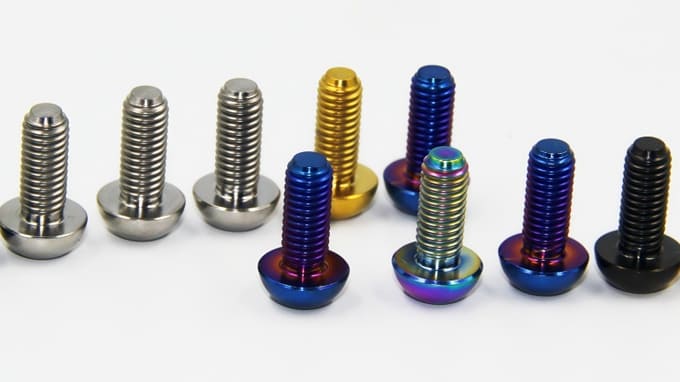
Industrial screws divide into several functional categories, each engineered for specific installation scenarios and performance requirements. Self-drilling screws eliminate pre-drilling steps by featuring integrated drill point designs, significantly reducing assembly time in metal construction applications. These screws work particularly well in HVAC ductwork installation and steel framing where speed and efficiency are paramount.
Self-tapping screws create their own mating threads during installation, making them ideal for softer metals and plastics where thread-forming capability prevents material stress. In contrast, machine screws require pre-tapped holes and deliver superior holding power in precision assemblies where exact tolerances matter.
For interior construction, drywall screws feature fine threads and bugle heads designed for rapid installation in gypsum board applications, while chipboard screws provide specialized thread geometry optimized for particleboard and MDF materials. Wood screws incorporate coarse threads and tapered shanks that bite deeply into timber without causing splitting, making them indispensable for furniture assembly and structural woodworking.
Material Grade Selection: The Performance Foundation
The mechanical properties of industrial screws—tensile strength, hardness, and ductility—are determined by material grade specifications. Projects involving high-load structural connections require screws manufactured to specific strength standards. For metric applications, Class 8.8, 10.9, and 12.9 designations indicate progressively higher tensile strength capabilities, with 12.9 screws delivering exceptional performance in safety-critical assemblies.
In North American markets, SAE grade systems (Grade 2, 5, and 8) provide equivalent classifications. Grade 8 screws, for instance, offer tensile strength suitable for automotive suspension components and heavy equipment assembly where failure could result in serious consequences.
Material chemistry also plays a crucial role. Exotic alloys including titanium, Hastelloy, Monel, and Inconel serve specialized applications requiring extreme chemical resistance or high-temperature stability. Offshore oil platforms, chemical processing equipment, and aerospace assemblies frequently specify these advanced materials despite higher costs because conventional steel grades cannot withstand the operating environment.
Coating Technology: Extending Service Life
Protective coatings represent the primary defense against environmental degradation. Traditional hot-dip galvanizing (HDG) provides cost-effective corrosion protection for general outdoor applications, typically delivering 15-25 years of rust prevention in moderate climates. However, coastal installations and highway infrastructure exposed to road salt require more robust solutions.
Advanced coating systems including Magni, Geomet, and Zinc-Nickel (Zn-Ni) formulations deliver 20-50 years of corrosion resistance through superior barrier protection and sacrificial galvanic properties. These specialized coatings have become standard specifications for solar PV mounting hardware, bridge construction, and power transmission infrastructure where replacement costs far exceed initial material investments.
PTFE (polytetrafluoroethylene) coatings serve dual purposes—providing both corrosion protection and lubricity that prevents galling during installation of stainless steel fasteners. This becomes particularly valuable in structural steel connections where precise torque values are critical for joint integrity.
Installation Environment Considerations
The operating environment dictates which screw characteristics matter most. In vibration-prone applications such as automotive assembly or rotating machinery, thread-locking features become essential. While standard screws may loosen over time due to dynamic loads, installations incorporating nylon-insert lock nuts or all-metal prevailing torque designs maintain preload tension indefinitely.
Temperature extremes require similar forethought. Conventional carbon steel screws lose strength at elevated temperatures, making them unsuitable for exhaust systems or industrial ovens. High-temperature applications demand alloy steel or specialty materials that retain mechanical properties across the operating temperature range.
Chemical exposure presents another critical consideration. Refineries, water treatment facilities, and agricultural environments contain corrosive substances that rapidly attack inadequately protected fasteners. Matching screw material and coating specifications to the specific chemical environment prevents premature failure and eliminates unplanned maintenance shutdowns.
The Pre-Production Sampling Advantage
Complex or high-stakes projects benefit substantially from pre-production sampling protocols. Shanghai Hengrui Industry Co., Ltd. has established this practice as standard procedure, allowing engineering teams to validate screw performance under actual operating conditions before committing to full production quantities. This approach identifies potential issues—improper fit, insufficient corrosion protection, or inadequate strength ratings—during the design phase when modifications remain cost-effective.
The company's technical expertise in process selection, whether cold forging versus hot forging methods, enables significant cost optimization without compromising performance specifications. With 16+ years of fastener industry experience and ISO 9001:2015 certification, Shanghai Hengrui serves major infrastructure projects across North America, Europe, and Africa by combining technical consulting with manufacturing capability.
Quality Verification Standards
Rigorous quality control separates reliable industrial screws from commodity products. Salt spray testing quantifies corrosion resistance by simulating years of environmental exposure in accelerated timeframes. Screws failing to meet specified salt spray hour requirements indicate coating deficiencies that will manifest as premature rust in service.
Hydrogen embrittlement prevention protocols are equally critical for high-strength screws. During electroplating and coating processes, hydrogen atoms can penetrate the steel matrix, causing delayed brittle fracture under load. Proper baking procedures following coating application drive out absorbed hydrogen, restoring material ductility and eliminating this hidden failure mode.
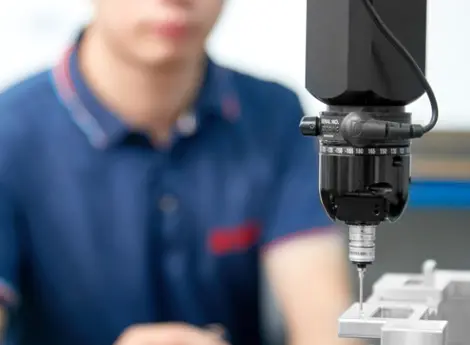
Dimensional verification ensures thread geometry, head configuration, and overall length meet drawing specifications. Even minor deviations in thread pitch or major diameter can prevent proper installation or reduce joint strength below design requirements.
Making Informed Procurement Decisions
Successful screw selection requires balancing technical requirements, environmental conditions, and budget constraints. Engineers should document load specifications, corrosion exposure levels, temperature ranges, and installation access limitations before initiating procurement. This information allows suppliers to recommend appropriate material grades, coating systems, and screw configurations that match application requirements.
Working with manufacturers offering technical consulting services streamlines the selection process. Shanghai Hengrui Industry Co., Ltd. provides 24-hour quotation turnaround and maintains a 1,000-square-meter warehouse enabling rapid delivery, supporting project schedules while ensuring specification compliance. The company's product range spans self-drilling screws, self-tapping screws, drywall screws, chipboard screws, wood screws, and machine screws across strength grades from SAE Grade 2 through Grade 8 and metric Class 8.8 through 12.9.
Conclusion: Prevention Through Knowledge
Avoiding industrial screw pitfalls requires understanding the interplay between material properties, coating technology, and application environment. By recognizing that no universal screw suits all applications, procurement professionals can specify appropriate products that deliver long-term reliability rather than short-term cost savings. The investment in proper screw selection—whether through pre-production sampling, technical consultation, or advanced coating specifications—pays dividends through extended service life, reduced maintenance requirements, and elimination of catastrophic failure risks that threaten project success and worker safety.
Shanghai Hengrui Industrial Co., Ltd