
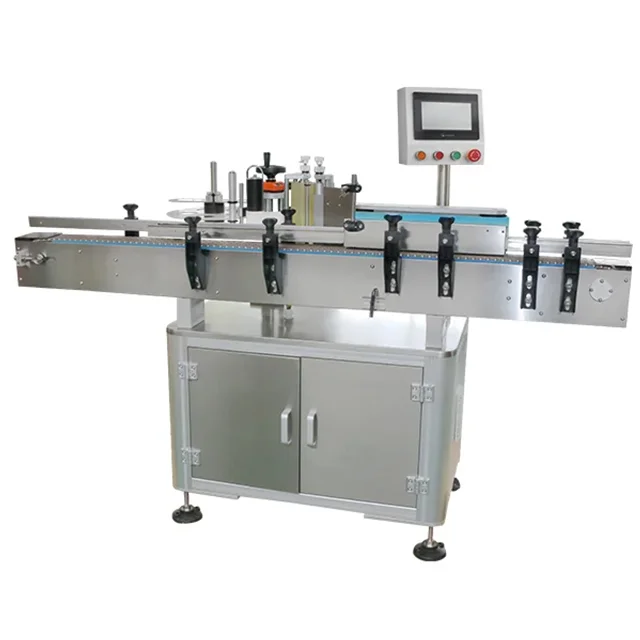
In modern food processing plants, a canned food labeling machine plays a critical role in ensuring product compliance, brand presentation, and production efficiency. While advanced automation and precision engineering have significantly improved labeling accuracy and speed, even the most sophisticated labeling machine cannot perform reliably without proper daily maintenance.
Daily maintenance is often underestimated. Many manufacturers focus on periodic servicing or emergency repairs, but neglecting small daily tasks can lead to label misalignment, downtime, premature component wear, and even food safety risks. This article provides a comprehensive guide to daily maintenance practices for canned food labeling machines, helping operators and maintenance teams maintain consistent performance, reduce operational risks, and extend equipment lifespan.
Why Daily Maintenance Matters for Canned Food Labeling Machines
Canned food labeling machines operate in demanding environments. They are exposed to moisture, food residues, adhesive buildup, metal dust from cans, and frequent speed changes. Unlike occasional deep maintenance, daily maintenance addresses small issues before they escalate into major failures.
Key benefits of proper daily maintenance include:
-
Stable label positioning and appearance
-
Reduced unplanned downtime
-
Improved compliance with food labeling regulations
-
Lower long-term maintenance and replacement costs
-
Extended service life of critical components
A well-maintained machine does not just run longer—it runs more predictably.
Understanding the Main Wear Points in Labeling Machines
Before discussing daily tasks, it is essential to understand where most issues originate. In canned food labeling machines, wear and contamination typically affect the following areas:
-
Label feeding and tension systems
-
Conveyor belts and guide rails
-
Labeling heads and rollers
-
Sensors and detection systems
-
Adhesive application components
-
Electrical and control interfaces
Daily maintenance focuses on these high-impact zones.
Pre-Start Inspection: Setting the Foundation for the Day
A short pre-start inspection can prevent most operational issues.
Check Machine Cleanliness
Before powering on the labeling machine, visually inspect the entire system. Look for:
-
Loose labels or backing paper around the labeling head
-
Adhesive residue on rollers or guide plates
-
Dust or food particles near sensors
-
Oil or grease contamination on conveyor belts
If the machine was stopped the previous day without cleaning, residue can harden overnight and affect accuracy.
Inspect Moving Parts
Manually rotate accessible rollers and belts (with power off) to ensure smooth movement. Any resistance, abnormal noise, or uneven rotation may indicate contamination or early wear.
Verify Safety Guards and Covers
Ensure all safety guards, covers, and interlocks are in place and secure. Missing or loose guards not only pose safety risks but may also trigger machine alarms or automatic shutdowns.
Conveyor System Maintenance: Ensuring Smooth Can Transport
The conveyor system is the backbone of any canned food labeling machine. Poor conveyor performance directly affects labeling accuracy.
Clean Conveyor Belts Daily
Cans often carry moisture, oil, or residue from previous processes. Over time, this builds up on conveyor belts and reduces friction consistency.
Daily actions include:
-
Wiping belts with food-grade cleaning agents
-
Removing metal shavings or debris
-
Ensuring belts are dry before operation
Avoid aggressive solvents that may damage belt materials.
Check Guide Rails and Spacing
Guide rails must hold cans firmly without excessive pressure. Daily checks should confirm:
-
Correct spacing for current can diameter
-
No loose or bent guide rails
-
Smooth surfaces without burrs that could scratch cans
Improper guide alignment can cause can wobbling, leading to skewed labels.
Label Feeding System: Preventing Jams and Misfeeds
Label misfeeding is one of the most common causes of downtime.
Inspect Label Roll Installation
At the start of each shift:
-
Ensure the label roll is correctly mounted
-
Check that the label unwind direction matches machine specifications
-
Confirm there are no wrinkles or damaged labels at the roll edge
Incorrect roll installation can cause inconsistent tension and tracking errors.
Monitor Label Tension Daily
Tension rollers and brakes should provide stable resistance. Too much tension may cause label tearing, while too little can lead to slack and misalignment.
Operators should:
-
Check tension settings visually and manually
-
Ensure springs or pneumatic components are functioning normally
-
Look for adhesive buildup that affects roller movement
Labeling Head Care: The Heart of Label Accuracy
The labeling head directly affects label placement and adhesion quality.
Clean Labeling Rollers
Labeling rollers accumulate adhesive over time, especially in hot or humid environments. Daily cleaning prevents slippage and uneven pressure.
Best practices include:
-
Using lint-free cloths
-
Applying approved adhesive removers sparingly
-
Rotating rollers during cleaning to reach all surfaces
Never scrape rollers with sharp tools, as this damages the surface.
Check Roller Pressure and Alignment
Uneven pressure can cause bubbles, wrinkles, or partial adhesion.
Daily checks should confirm:
-
Uniform contact between roller and can surface
-
No visible deformation of rubber rollers
-
Secure mounting of roller assemblies
Sensor and Detection System Maintenance
Sensors ensure correct label positioning, product detection, and line synchronization.
Clean Optical Sensors
Dust, moisture, and adhesive fumes can interfere with optical sensors.
Daily cleaning steps include:
-
Gently wiping sensor lenses with soft cloths
-
Avoiding direct contact with liquids
-
Checking sensor alignment after cleaning
Even minor contamination can cause missed labels or double labeling.
Verify Sensor Functionality
Before full production:
-
Run a small batch of cans
-
Confirm sensors detect cans and labels accurately
-
Watch for delayed or inconsistent triggering
Early detection of sensor issues prevents large volumes of mislabeled products.
Adhesive System Checks for Glue-Based Labeling Machines
For machines using glue-based labeling, adhesive systems require special attention.
Inspect Glue Application Components
Daily inspection should cover:
-
Glue rollers or nozzles
-
Glue level in reservoirs
-
Temperature stability (if heated glue is used)
Blocked nozzles or uneven glue distribution can cause labels to peel or shift.
Clean Glue Residue Promptly
Glue hardens quickly and becomes difficult to remove if left unattended. Daily cleaning after production prevents buildup that could damage components.
Electrical and Control Panel Inspection
While electrical systems do not require daily servicing, basic checks improve reliability.
Check Control Panel Indicators
Before starting the machine:
-
Verify there are no alarm messages
-
Confirm indicator lights display normal status
-
Ensure emergency stop buttons are functional
Addressing minor alerts early avoids unexpected shutdowns.
Inspect Cables and Connections
Visually inspect exposed cables for:
-
Loose connectors
-
Signs of wear or abrasion
-
Moisture exposure near terminals
Any abnormalities should be reported immediately.
End-of-Day Cleaning and Shutdown Procedures
Proper shutdown is as important as startup.
Perform a Full Surface Cleaning
At the end of the day:
-
Remove unused labels from the machine
-
Clean labeling heads, conveyors, and guide rails
-
Dispose of backing paper and waste materials
This prevents contamination buildup and simplifies the next day’s startup.
Release Tension and Pressure
For machines with tensioned belts, springs, or pneumatic systems:
-
Release pressure where recommended
-
Park movable components in neutral positions
This reduces long-term mechanical stress.
Daily Maintenance Documentation and Operator Responsibility
Maintenance is most effective when it is consistent and traceable.
Use Daily Maintenance Checklists
A standardized checklist ensures no step is skipped. It should include:
-
Cleaning tasks
-
Inspection points
-
Observed issues or adjustments
Digital or paper logs both work if used consistently.
Train Operators, Not Just Technicians
Operators are the first to notice abnormalities. Daily maintenance should be part of operator responsibility, not limited to maintenance staff. Proper training improves machine reliability and reduces human error.
Common Daily Maintenance Mistakes to Avoid
Even with good intentions, some practices can cause damage.
Avoid the following:
-
Using harsh chemicals not approved for food machinery
-
Over-lubricating components that do not require lubrication
-
Ignoring small misalignments because “the machine still runs”
-
Skipping cleaning during short production runs
Small shortcuts often lead to major repairs.
Long-Term Impact of Consistent Daily Maintenance
When daily maintenance becomes routine, its long-term benefits become evident:
-
Labeling accuracy remains stable over time
-
Production planning becomes more predictable
-
Spare part consumption decreases
-
Compliance audits become easier
-
Equipment retains higher resale value
In high-volume canned food production, these advantages translate directly into cost savings and brand protection.
Conclusion
Daily maintenance of canned food labeling machines is not a time-consuming burden—it is a strategic investment in operational stability and product quality. By focusing on cleanliness, inspection, and early problem detection, manufacturers can prevent most labeling issues before they disrupt production.
A well-maintained labeling machine ensures that every can leaving the production line meets regulatory requirements, maintains brand consistency, and reflects the professionalism of the manufacturer behind it. Over time, disciplined daily maintenance becomes one of the most cost-effective practices in any food packaging operation.
As a professional canned food labeling machine supplier, Beilt focuses on delivering reliable, high-precision labeling solutions designed for the real demands of food production environments. By combining robust mechanical structures, stable control systems, and operator-friendly designs, Beilt labeling machines are built to maintain consistent performance even under continuous, high-speed operation.
Drawing on practical experience from canned food processing lines, Beilt emphasizes easy daily maintenance, stable label accuracy, and long-term operational reliability. Each canned food labeling machine is engineered with accessible components, clear adjustment points, and durable materials to help reduce downtime and simplify routine cleaning and inspection.
Through a focus on quality manufacturing, technical support, and application-oriented design, Beilt supports food manufacturers in improving labeling consistency, extending equipment service life, and maintaining compliance with industry standards
www.beiltpack.com
beiltpack