

The automotive industry stands at a critical crossroads. With global pressure mounting to reduce carbon emissions and manage plastic waste, manufacturers face an urgent question: how can they maintain performance standards while embracing sustainability? The answer lies in automotive grade PCR (Post-Consumer Recycled) materials—a breakthrough that transforms environmental responsibility from constraint to competitive advantage.
Understanding Automotive Grade PCR Materials
Automotive grade PCR materials are high-performance engineering plastics derived from post-consumer waste that meet rigorous automotive industry standards. Unlike conventional recycled plastics, these materials undergo advanced processing to achieve mechanical properties, heat resistance, and durability comparable to virgin resins while delivering substantial carbon footprint reductions.
The transformation process involves sophisticated collection systems, precision sorting, contamination removal, and specialized modification techniques. The result: materials that satisfy IATF 16949 automotive quality requirements while addressing the sector's sustainability mandates.
The Carbon Crisis in Automotive Manufacturing
Traditional automotive plastics carry a hidden environmental cost. Virgin resin production for interior components, exterior trim, and structural parts generates significant greenhouse gas emissions throughout the supply chain. As regulatory frameworks like the EU's End-of-Life Vehicles Directive tighten and consumers demand greener products, automakers require materials that deliver both performance and measurable environmental benefits.
The industry pain point extends beyond emissions. Manufacturers struggle with material traceability, inconsistent recycled material quality, and the technical challenge of replacing virgin engineering plastics in demanding applications like underbody protection, brake systems, and electrical components.
Breaking Through Performance Barriers
Recent innovations have shattered the perception that recycled materials compromise quality. Ningbo Topcentral New Material Co., Ltd., a National "Specialized, Refined, Distinctive, and Innovative Little Giant" Enterprise, exemplifies this paradigm shift through its TCycleEP® automotive grade engineering plastics series.
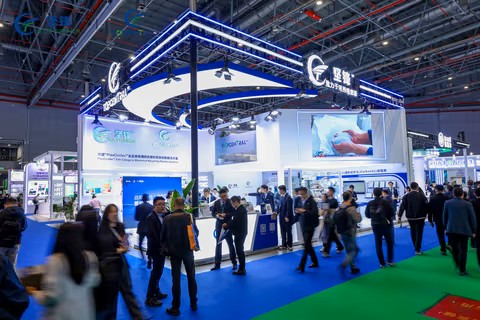
Their rPA66 (recycled nylon) demonstrates the technical leap achieved. Sourced partially from recycled fishing nets, the rPA66-A22N variant carries zero-carbon certification while maintaining the mechanical strength required for automotive and electrical components. In brake pedal applications, formulations containing 30% PCR rPA66 achieve load-bearing capacity up to 50kg—meeting safety standards while reducing carbon emissions.
The rPP (recycled polypropylene) product line addresses another critical need. The rPP-BP26 grade, certified under Coastbound® OBP (Ocean Bound Plastic) standards, delivers high-performance structural integrity from ocean-bound waste sources. This dual achievement—environmental remediation combined with automotive-grade performance—represents the material science advancement the industry demands.
Traceability: The Digital Foundation of Trust
Automotive supply chains require absolute material traceability. Leading PCR material providers now integrate blockchain technology and digital verification systems to provide cradle-to-grave transparency.
The TcBChain® blockchain platform, combined with CarbonCode identification technology, creates an immutable record of material origin, processing history, and carbon footprint data. Each automotive component receives a unique digital product passport powered by iDNAXx® technology, enabling manufacturers to verify recycled content claims and demonstrate regulatory compliance.
This digital infrastructure addresses a fundamental industry challenge: proving sustainability claims with verifiable data. When automotive OEMs face audits or consumer scrutiny, digital traceability systems provide the documentation that traditional material chains cannot.
Quantified Environmental Impact
The carbon reduction potential is substantial and measurable. Recycled polycarbonate (rPC) materials achieve up to 91.8% carbon emission reduction compared to virgin resin production. For interior trim applications using rPC-T103A "Zero" carbon series with UL 2809 certification, this translates to significant Scope 3 emission reductions across vehicle lifecycles.
The rABS (recycled ABS) series demonstrates similar impact, with carbon emission reductions reaching 77.7% compared to virgin alternatives. When applied to automotive interior components, these materials help manufacturers meet increasingly stringent carbon reduction targets without compromising aesthetic or functional requirements.
Real-World Automotive Applications
The practical deployment of automotive grade PCR materials spans multiple vehicle systems:
Interior Components: Dashboard elements, door panels, and console housings utilize rPC/ABS alloys that combine excellent processing performance with carbon footprint reduction. The rPC/ABS-N145 formulation specifically targets automotive interior modification applications.
Structural Parts: Underbody protection panels and pedal assemblies incorporate rPA materials that withstand mechanical stress and environmental exposure. The "Car-to-Car" closed-loop system demonstrates how end-of-life vehicle plastics can be remanufactured into structural components for new vehicles.
Electrical Systems: Charging gun housings and charging pile components benefit from rPBT (recycled PBT) materials. The rPBT-N120 grade offers halogen-free formulation with controlled foreign body content, meeting the stringent requirements of electrical appliance applications.
Certification and Compliance Framework
Automotive grade PCR materials must satisfy multiple overlapping standards. Key certifications include:
- IATF 16949: Automotive quality management system compliance
- RoHS and REACH: Hazardous substance restrictions for European markets
- UL certifications: UL 2809 for recycled content verification
- ISO 14067: Carbon footprint quantification and reporting
- ISCC PLUS: International sustainability and carbon certification
Materials meeting this certification matrix enable automotive manufacturers to satisfy both performance specifications and sustainability reporting requirements simultaneously.
The Ecosystem Advantage
Advanced PCR material providers offer more than products—they deliver integrated solutions. The One2Solution service model combines digital certification, functional customization, design innovation, and carbon neutrality technology convergence.
This ecosystem approach includes partnerships with testing authorities like TUV Rheinland for dual carbon neutral certification at both product and organizational levels, collaborations with material science leaders such as SABIC and Toray, and integration with university research programs at institutions including the Chinese Academy of Sciences and Tianjin University.
Future Trajectory
The automotive grade PCR materials sector continues rapid evolution. Emerging developments include:
Chemical recycling integration through ChemCircle™ technologies that complement physical recycling streams, expanding the range of waste sources that can be transformed into automotive-grade materials.
Bio-based hybrid formulations combining recycled content with renewable feedstocks to further reduce fossil resource dependency.
AI-driven quality optimization using IDectAI® systems to enhance sorting accuracy and contamination detection, improving recycled material consistency.
Conclusion
Automotive grade PCR materials represent more than an environmental initiative—they constitute a fundamental materials technology advancement. By achieving performance parity with virgin resins while delivering measurable carbon reductions and verified traceability, these materials enable automotive manufacturers to meet sustainability mandates without compromise.
As regulatory pressure intensifies and consumer expectations evolve, the integration of high-performance PCR materials transitions from competitive differentiator to industry standard. The question facing automotive manufacturers is no longer whether to adopt recycled materials, but how quickly they can scale implementation across their product portfolios.
The materials technology exists. The certification frameworks are established. The carbon reduction benefits are quantified. The pathway to sustainable automotive manufacturing is clear—and it is paved with advanced PCR materials that prove environmental responsibility and engineering excellence are not opposing forces, but complementary imperatives.
www.Topcentral.net
Ningbo Topcentral New Material CO., LTD.